Skip to content

Best Energy Drinks for Women in 2026: What Actually Works
Beyond low-calorie claims: the real criteria for choosing a better-for-you energy drink caffeine source, sweetener safety, B-vitamin quality, and more.
Key Takeaways
- A genuinely good energy drink for women delivers smooth, sustained energy via green tea caffeine paired with L-theanine not the sharp onset associated with synthetic caffeine anhydrous.
- One typical energy drink can contain more added sugar than the American Heart Association's entire daily limit for women (25g), making zero-sugar formulas a meaningful health distinction.
- Artificial sweeteners like sucralose and erythritol carry their own documented cardiovascular risks peer-reviewed studies link them to elevated heart disease and blood clot risk, respectively.
- B vitamins (B6, B12, Niacin, Biotin) in energy drinks offer functional mood and cognitive benefits - low B12 and B6 levels are associated with reduced mood and cognitive resilience in population research.
- 42% of women aged 18-44 have increased their energy drink consumption while actively seeking better brands, signaling demand for formulas built around women's wellness, not just marketing.
The best energy drink for women goes far beyond a "low calorie" label. What matters is the caffeine source, sweetener profile, B-vitamin dose, and the presence of L-theanine - ingredients that determine whether you get smooth, sustained energy or a sharp, short-lived energy curve. As 42% of women aged 18-44 are already exploring new brands, knowing what to look for on a label is more valuable than any marketing claim.
What Makes an Energy Drink Actually Good for Women
A good energy drink for women delivers functional benefits - not just fewer calories. The five criteria that truly matter are: caffeine source and dose, sweetener safety, B-vitamin quality, L-theanine presence, and absence of harmful additives. Two scientific benchmarks anchor every evaluation: the FDA's guidance of up to 400mg caffeine per day for most adults, and the American Heart Association's 25g daily added sugar limit for women - a threshold a single mainstream energy drink can blow past entirely.
| Criteria | What to Look For | What to Avoid |
|---|---|---|
| Caffeine Source | Green tea caffeine (plant-based) | Synthetic caffeine anhydrous |
| Caffeine Dose | 150-200mg per serving | 300mg+ per serving |
| Sweeteners | No sweeteners, or stevia | Sucralose, erythritol, aspartame, Ace-K |
| B Vitamins | EXCELLENT source (greater than 20% DV) | Trace amounts listed for label appeal only |
| L-Theanine | 75mg+ paired with caffeine | Absent or underdosed |
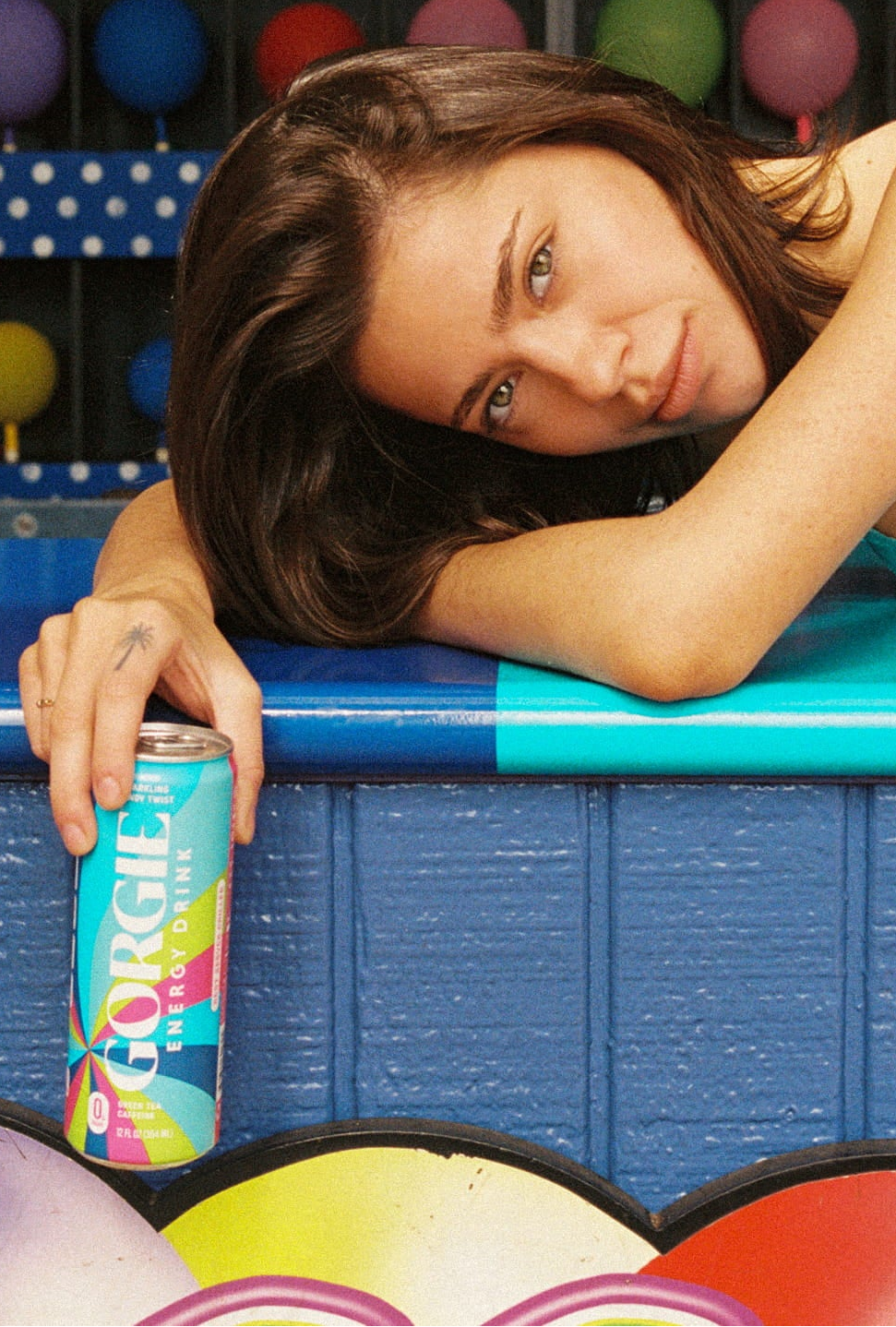
GORGIE - Best Overall Energy Drink for Women
GORGIE is the only women-first energy drink co-created by its own community - and it shows in every ingredient decision. It delivers 150mg of caffeine from green tea paired with 75mg of L-theanine for smooth, sustained energy, alongside an EXCELLENT-source B-vitamin panel. Zero sugar. No artificial sweeteners - no erythritol, no aspartame, no sucralose, no Ace-K. Made in the USA.
Loading...
$--The Caffeine + L-Theanine Stack
GORGIE's 150mg green tea caffeine and 75mg L-theanine combination is backed by clinical research. A study administering 250mg L-theanine and 150mg caffeine found improvements in simple and numeric working memory reaction time, sentence verification accuracy, and alertness ratings for the combined treatment - with the combination outperforming either compound alone on several cognitive measures. That "better together" effect is exactly what GORGIE is built on. The FDA has also granted L-theanine Generally Recognized as Safe (GRAS) status, making this stack both effective and well-established.
EXCELLENT-Source B Vitamins
GORGIE carries an EXCELLENT-source designation for Biotin, B6, B12, and Niacin - each present at more than 20% of the Daily Value. This is not label decoration. Research published in peer-reviewed nutrition science shows that low B12 and B6 levels are linked to higher depression risk, and B-complex intake at meaningful doses has been associated with mood and cognitive support in healthy adults. Niacin supports cellular energy production, while Biotin plays a role in metabolism - both meaningful at EXCELLENT-source doses.
Zero Sugar and No Artificial Sweeteners
GORGIE contains zero sugar and avoids every major artificial sweetener category - erythritol, aspartame, sucralose, and Ace-K. This matters because the alternatives carry real risks (covered in detail in the sweetener section below). The community co-creation model is equally distinctive: women name the flavors, appear on the cans, and shape the brand. That is what "women-first" actually looks like in practice.
How Other Top Picks Compare
Several other energy drinks are popular among women in 2026. Here is how they compare on the criteria that matter most. Note that one major brand acquisition reshaped the market in April 2025: two of the most female-targeted mainstream energy drink brands consolidated under one corporate roof, reducing independent choice for female consumers.
| Brand | Caffeine Source | Sweetener | L-Theanine | Best For | Key Limitation |
|---|---|---|---|---|---|
| GORGIE | Green tea (150mg) | None (zero artificial) | 75mg | Women-first wellness, daily use | Fewer retail locations than legacy brands |
| Female-targeted mainstream brand (now owned by leading mainstream energy brand) | Synthetic anhydrous (200mg) | Sucralose | None | Gym-goers who prioritize flavor variety | Sucralose linked to +31% coronary heart disease risk |
| Leading mainstream energy brand | Synthetic anhydrous (200mg) | Sucralose | None | Fitness-focused consumers | Synthetic caffeine, no L-theanine stack |
| Gaming-culture energy brand | Synthetic anhydrous (200mg) | Sucralose | None | Gaming and pop-culture fans | Sucralose and no women-specific formulation |
| Gut-health crossover energy brand | Mixed sources | Varies by SKU | Not listed | Women seeking gut-health crossover | Newer brand with limited long-term data |
| Stevia-based zero-calorie energy brand | Synthetic anhydrous | Stevia | None | Consumers avoiding sucralose/erythritol | No L-theanine, synthetic caffeine base |
If you are exploring GORGIE flavors, here are two more options to consider alongside the hero pick:

Why Zero Sugar Is Not Always Safe
Zero sugar does not equal zero risk. The artificial sweeteners used to replace sugar in most mainstream energy drinks carry their own documented health concerns - and the evidence is significant enough to take seriously when choosing a daily drink.
A landmark 2023 study published in Nature Medicine found that erythritol - the sweetener used in many "keto-friendly" energy drinks - was associated with cardiovascular event risk, including increased blood clot formation. Blood levels of erythritol increased more than 1,000-fold after consuming an erythritol-sweetened drink compared to baseline, far exceeding levels found naturally in food.
French cohort data linked aspartame to a 17% higher risk of cerebrovascular events, acesulfame potassium (Ace-K) to a 40% increased risk of coronary heart disease, and sucralose to a 31% higher risk of coronary heart disease. Separately, saccharin and sucralose have been found to disrupt the gut microbiome, linked in humans to dysbiosis - an imbalance of beneficial and harmful gut bacteria.
When reading a label, avoid: sucralose, erythritol, aspartame, acesulfame potassium (Ace-K), and saccharin. The safest profile avoids both added sugar and artificial sweeteners entirely - which is exactly the standard GORGIE holds.
Does Caffeine Source Actually Matter?
The source of caffeine in your energy drink shapes how you feel - not just how awake you are. Synthetic caffeine anhydrous and green tea caffeine behave very differently in the body.
Synthetic caffeine anhydrous reaches peak blood levels in approximately 45–60 minutes, producing a rapid, high-amplitude energy onset. Green tea caffeine, by contrast, is naturally paired with L-theanine and other bioactive compounds that smooth out the energy curve and promote alpha brain wave activity - supporting calm, focused alertness throughout the day.
The clinical data on the caffeine-plus-L-theanine combination is compelling: the combined caffeine and L-theanine treatment outperformed either compound alone on cognitive performance and alertness measures in clinical research. This synergy is the reason caffeine source is a non-negotiable criterion, not a marketing detail.
Are B Vitamins in Energy Drinks Functional or Just Label Filler?
B vitamins in energy drinks can be genuinely functional - or purely cosmetic. The difference comes down to dose. A token 2-5% Daily Value listing means very little. An EXCELLENT-source designation (more than 20% DV) means the ingredient is present at a level where real benefits are plausible.
Research shows that low blood levels of B12, B6, and folate are linked to increased depression risk, and B-complex intake at meaningful doses has been associated with mood and cognitive support even in generally healthy adults. Niacin supports cellular energy metabolism. Biotin plays a role in macronutrient metabolism - the conversion of carbohydrates, fats, and proteins into usable energy. When these are present at EXCELLENT-source levels, as in GORGIE, they contribute to the functional benefit stack. When listed in trace amounts, they are there for the label, not for you.